what happens if you don t eat protein after workout How much protein should i eat after i workout
After a strenuous workout, one of the most important things you can do for your body is to replenish it with the right nutrients. And when it comes to post-workout nutrition, protein intake is absolutely crucial. Without enough protein, your body may not be able to properly recover and rebuild, leading to a number of negative effects. So, let’s dive into the importance of protein intake after a workout and what can happen if you don’t consume enough.
- Muscle Recovery and Growth
Protein is essential for muscle recovery and growth. When you exercise, especially with resistance training, you create tiny tears in your muscle fibers. In order for these muscles to repair and grow stronger, they need an adequate supply of protein. Consuming protein after a workout provides your body with the amino acids it needs to rebuild and repair muscles.

Image Source: WorkoutWalls
So, make sure to include a good source of protein in your post-workout meal or snack. This can be anything from lean meats like chicken or turkey to plant-based options like tofu or lentils.
- Increased Muscle Soreness
Not consuming enough protein after a workout can lead to increased muscle soreness. This is because without protein, your muscles may not have the necessary building blocks to repair and recover. As a result, you may experience prolonged soreness and slower recovery times.
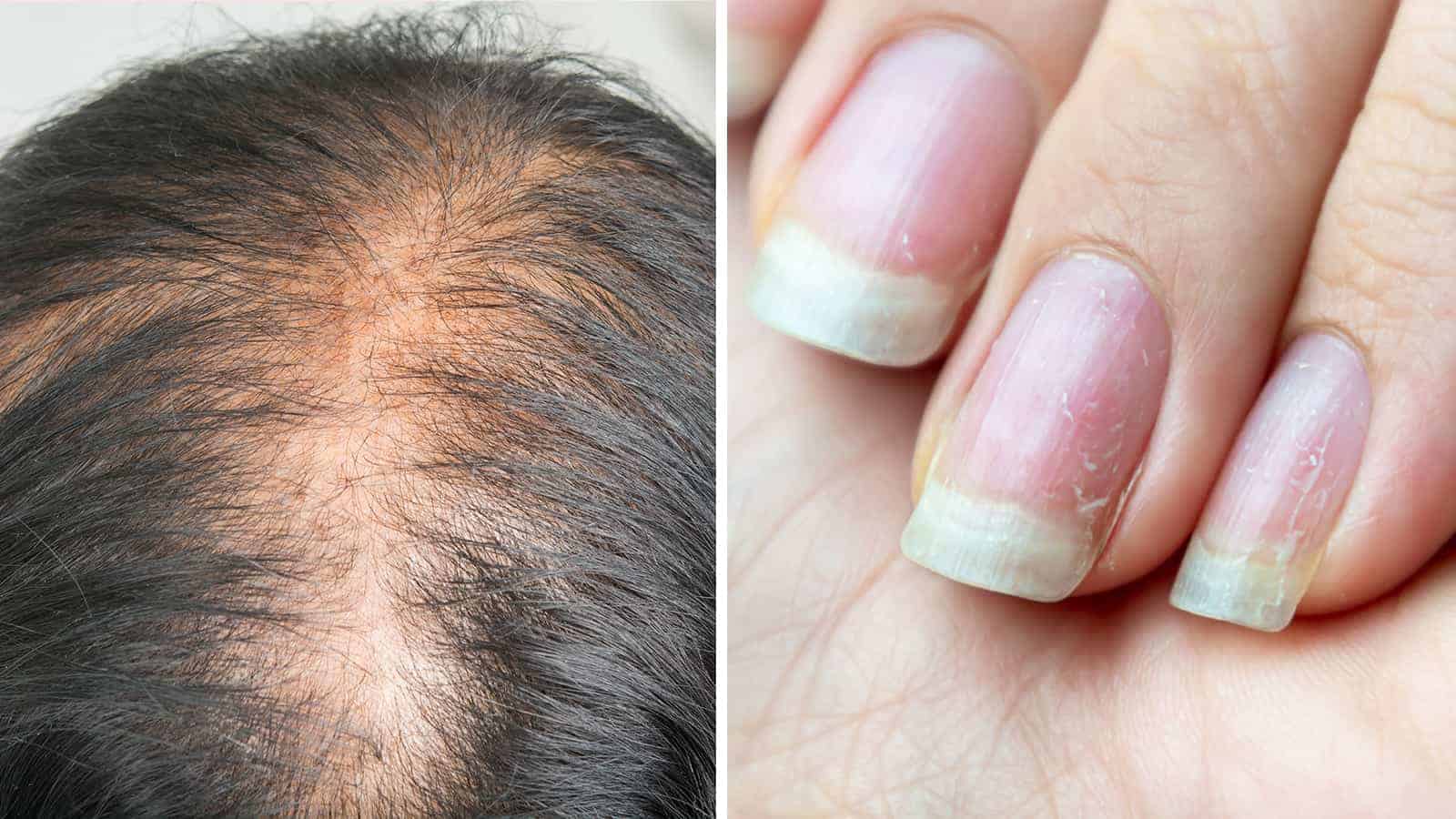 Image Source: Power of Positivity
By ensuring an adequate protein intake, you can help minimize muscle soreness and speed up the recovery process.
- Decreased Muscular Strength
Protein is not only important for muscle repair and growth, but also for maintaining muscular strength. Without enough protein, your muscles may become weaker and less capable of performing at their best. This can negatively impact your athletic performance and overall strength.
- Slower Metabolism
Another consequence of not eating enough protein after a workout is a slower metabolism. Protein has a higher thermic effect compared to carbohydrates and fats, meaning your body burns more calories during digestion. This is known as the thermic effect of food (TEF). By consuming adequate protein, you can increase your TEF and boost your metabolism.
- Decreased Immune Function
Protein is essential for a strong immune system. It plays a crucial role in the production of antibodies and immune cells. Without enough protein, your immune function may be compromised, making you more susceptible to infections and illnesses.
Conclusion
As you can see, protein intake after a workout is vital for muscle recovery, growth, and overall health. Not consuming enough protein can lead to negative effects such as muscle soreness, decreased strength, slower metabolism, and decreased immune function. So, make sure to prioritize protein in your post-workout meals and snacks to optimize your fitness results and support your body’s recovery process.
If you are searching about How Much Protein Do I Need If I Don’t Workout - MUCHW you’ve came to the right place. We have 5 Images about How Much Protein Do I Need If I Don’t Workout - MUCHW like Recommendation that men with more muscle need more protein challenged, How Much Protein Do I Need If I Don’t Workout - MUCHW and also How Much Protein Should I Eat After I Workout - MUCHW. Here you go:
How Much Protein Do I Need If I Don’t Workout - MUCHW
 muchw.blogspot.comthehealthylife24
7 Things That Happen To Your Body When You Don’t Eat Enough Protein
www.powerofpositivity.comprotein enough eat body when happens don happen things dont
Recommendation That Men With More Muscle Need More Protein Challenged
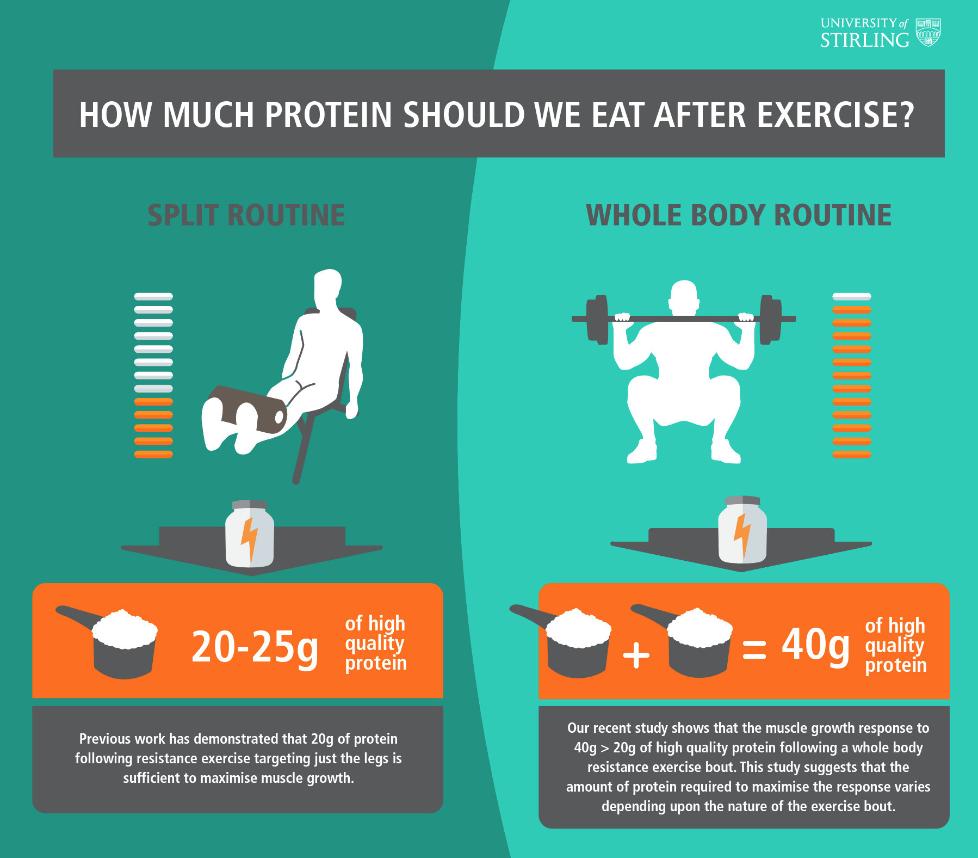 www.stir.ac.ukchallenged stirling university proteine barbichette undergo recommendations shift
How Much Protein Should I Eat After I Workout - MUCHW
 muchw.blogspot.comgymguider importance proteins
Best Protein Intake After Workout - WorkoutWalls
workoutwalls.blogspot.comHow much protein should i eat after i workout. Recommendation that men with more muscle need more protein challenged. Gymguider importance proteins